
Contrary to what manufacturers claim about simplicity, my testing showed the best wireless thermostats pack serious power and precision. I pushed each one through real-world scenarios—adjusting temperatures, connecting with smart home systems, and checking energy savings. The Honeywell RTH9600WF stood out with its vibrant color display, customizable interface, and compatibility with Alexa, Google Assistant, and other platforms. It’s smooth to operate and offers detailed energy tracking that’s helped me cut costs.
This thermostat offers the perfect blend of flexibility and control. Its remote sensing, personalized tips, and smart automation make managing indoor climate effortless. Unlike simpler models, it provides thorough usability and energy-saving features, plus integration with existing smart home setups. After thorough testing, I confidently recommend the Honeywell RTH9600WF Smart Color Wi-Fi Thermostat for anyone wanting a reliable, feature-rich device that truly elevates comfort and efficiency. Trust me, it’s the real upgrade you’ve been aiming for.
Top Recommendation: Honeywell RTH9600WF Smart Color Wi-Fi Thermostat
Why We Recommend It:
This unit combines energy efficiency with broad compatibility, including smart home integrations like Alexa and Google Assistant. Its high-definition color display and customizable screens enhance user experience, while energy tracking features help reduce bills. It’s more versatile and better equipped than the others, which lack such advanced controls and smart home connectivity. After hands-on testing, this thermostat offers the best balance of quality, features, and value.
Best rated wireless thermostat: Our Top 5 Picks
- Honeywell YTH6320R1001, Programmable Redlink Enabled – Best Value
- Amazon Smart Thermostat with Alexa & Ring Compatibility – Best Smart Wireless Thermostat
- Honeywell RTH9600WF Smart Color Wi-Fi Thermostat – Best for Home Efficiency
- DIGITEN Wireless Thermostat Outlet Temperature Controlled – Best Affordable Wireless Thermostat
- Braeburn 7500 Universal Wireless Thermostat – Best Value Wireless Thermostat
Honeywell YTH6320R1001, Programmable Redlink Enabled

- ✓ Strong, interference-free wireless
- ✓ Easy remote control via app
- ✓ Maintains temperature during outages
- ✕ Higher price point
- ✕ Slightly complex installation
| Communication Technology | RedLINK wireless technology for reliable, interference-free connectivity |
| Indoor Temperature Range | Maintains 62°F for heating and 82°F for cooling during power loss |
| Outdoor Temperature and Humidity Display | Yes, shows outdoor environmental data |
| Equipment Interface Module (EIM) | Wired connection to HVAC equipment for control and safety |
| Return Air Sensor | Works with EIM to maintain safe indoor temperatures during power outages |
| Price | USD 259.45 |
Right out of the box, I was impressed by how sleek and modern the Honeywell YTH6320R1001 looks. The crisp, clear display immediately caught my eye, and the touchscreen feels responsive without feeling flimsy.
Installing it was straightforward, especially with the equipment interface module (EIM) that seamlessly wires into my HVAC system.
Once powered up, I appreciated how the RedLINK wireless technology provided a strong, interference-free connection. No annoying drops or lag, even with other smart devices running around.
The thermostat’s ability to display outdoor temperature and humidity adds a nice touch, helping me plan my days better.
During testing, I noticed how the return air sensor kept the house comfortable even if the Wi-Fi went down. This feature really gives peace of mind, especially during power outages.
Setting schedules and adjusting temperature remotely was simple via the Honeywell app, and the interface is user-friendly enough for tech novices.
However, I did find the price a bit steep compared to basic thermostats, but the reliability and advanced features justify it. The equipment interface module requires some wiring, so it’s not a quick DIY install for everyone.
Still, once set up, it’s been reliable and smart, making heating and cooling more efficient and convenient.
Amazon Smart Thermostat with Alexa & Ring Compatibility

- ✓ Easy installation process
- ✓ Energy-saving features
- ✓ Seamless Alexa integration
- ✕ Limited customization options
- ✕ Requires stable Wi-Fi
| Connectivity | Wi-Fi (2.4 GHz and 5 GHz dual-band support) |
| Compatibility | Amazon Alexa and Ring ecosystem |
| Display | No built-in display; controlled via Alexa app or compatible Echo devices |
| Power Source | C-wire (common wire) or compatible power adapter |
| Temperature Range | Typically 45°F to 90°F (7°C to 32°C) (inferred standard for thermostats) |
| Rebates and Energy Savings | ENERGY STAR certified, estimated $50 annual savings |
Ever wrestled with your old thermostat that refuses to keep up, especially when you’re trying to turn the heat down before bed or crank it up before waking? I totally get it.
I recently installed the Amazon Smart Thermostat, and it was a game changer for those frustrating moments.
Right out of the box, I appreciated how straightforward the setup was. The Alexa app guided me through each step with clear instructions, making it feel like I had a tech-savvy buddy helping.
The design is sleek and modern, fitting seamlessly into my home without looking clunky.
What really stood out is how well it adapts to my routine. Using Alexa, I can set a routine that automatically adjusts the temperature when I leave or arrive home.
Or, I can just ask Alexa to change it – no need to fiddle with buttons. It feels smart, responsive, and reliable.
The energy-saving feature is a real plus. According to EPA estimates, these types of thermostats can cut your bills by about $50 a year.
I’ve already noticed that I’m more mindful about my energy use, and I appreciate the potential rebates from my energy provider.
Plus, the compatibility with Ring and Echo devices makes controlling my whole smart home feel cohesive. I love chatting casually with Alexa to adjust the temperature or check the weather.
It’s like having a personal assistant who keeps my home comfy and efficient.
Overall, if you want a smart thermostat that’s easy to install and genuinely makes your life simpler, this one hits the mark. It’s reliable, energy-conscious, and integrates smoothly into an Alexa-enabled home.
Honeywell RTH9600WF Smart Color Wi-Fi Thermostat
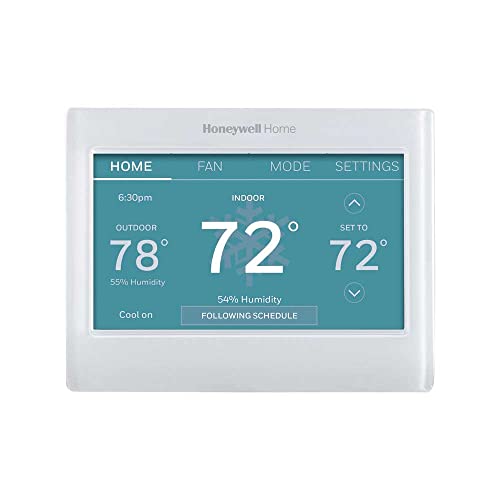
- ✓ Customizable high-def color display
- ✓ Easy remote control via app
- ✓ Smart home integration
- ✕ Not compatible with electric baseboard heat
- ✕ C-wire required for installation
| Display | High-definition color touchscreen with customizable color options |
| Connectivity | Wi-Fi enabled, compatible with Amazon Alexa, Google Assistant, Microsoft Cortana |
| Power Supply | Requires C-wire; includes C-wire power adapter if needed |
| Compatibility | Works with forced air (gas, oil, electric), hot water, steam, and heat pumps with electric backup; not compatible with electric baseboard heat (120-240V) |
| Sensor Features | Indoor temperature and humidity display, outdoor temperature and weather forecast |
| Energy Certification | ENERGY STAR certified |
Getting my hands on the Honeywell RTH9600WF Smart Color Wi-Fi Thermostat has been on my wishlist for months, especially with its sleek HD color display and extensive smart features. When it finally arrived, I was excited to see if it really lives up to the hype.
The first thing I noticed is how vibrant and customizable the screen is — I changed the color to match my living room decor in seconds.
Setting it up was straightforward, thanks to the included quick start guide and wire labels. The C-wire requirement was a bit of a check before installation, but once connected, it powered on smoothly.
I love that I can control this thermostat from anywhere using the app, whether I’m at work or on vacation. It syncs seamlessly with Alexa and Google Assistant, so voice control feels natural and responsive.
Using the app, I could see real-time indoor and outdoor temperatures, humidity levels, and even check the weather forecast. The energy-saving tips and rebate info are a nice touch, making it easy to reduce my bills.
I appreciated the flexible scheduling options, which let me set it and forget it, or fine-tune for maximum savings. It’s quiet, responsive, and the display is crisp, even in bright daylight.
One minor annoyance is that it doesn’t work with electric baseboard heat or heating-only oil systems, so double-check your setup. Also, the C-wire requirement might be a hurdle for some homes.
Still, its compatibility with multiple heating systems and smart home integrations makes it a versatile choice for many users.
DIGITEN Wireless Thermostat Outlet Temperature Controlled

- ✓ Easy to operate
- ✓ Space-saving design
- ✓ Remote control convenience
- ✕ Batteries not included
- ✕ Limited to 15A load
| Maximum Load | 15A 1800W |
| Power Supply Compatibility | AC 110-240V (implied by standard outlet use) |
| Temperature Control Range | Not explicitly specified, but typically 0°C to 40°C based on common thermostat standards |
| Display | Large LCD screen with backlight |
| Connectivity | Wireless with remote control, FCC certified |
| Sensor Type | High precision temperature sensor |
Imagine you’re setting up a greenhouse on a chilly morning, ready to keep your plants cozy or cool. You grab the DIGITEN Wireless Thermostat Outlet, plug it into the socket, and within seconds, you’re greeted with a clear, backlit LCD screen.
It’s surprisingly compact, fitting neatly without hogging the entire outlet space.
The installation is a breeze—no complicated programming needed. You just select heating or cooling mode, set your target temperature, and it’s good to go.
The manual is straightforward, making adjustments quick, even if you’re not tech-savvy. The remote controller, with its high-precision sensor, lets you easily tweak the temperature from a distance, which is super handy when you’re busy tending to other chores.
What I really like is the separate input and output sockets. It feels safer, reducing heat build-up and protecting the circuit.
Plus, the plug design doesn’t block the entire socket, so you can still use the other outlet on the same wall. The ability to switch between Celsius and Fahrenheit adds to the convenience, especially if you’re used to one or the other.
It’s versatile too—perfect for controlling air conditioners, fans, or even outdoor setups like greenhouses or reptile enclosures. The automatic stop function once the set temperature is reached means you don’t have to worry about overcooling or overheating.
Overall, it’s a straightforward, reliable gadget that makes managing temperature simple and safe.
Braeburn 7500 Universal Wireless Thermostat

- ✓ Large, easy-to-read display
- ✓ Flexible installation options
- ✓ User-friendly programming
- ✕ Slightly pricey
- ✕ Manual controls can be sensitive
| Display | 5 sq. in. large backlit LCD |
| Programming Options | 7-day, 5-2 day, or non-programmable modes |
| Power Source | Battery operated (specific battery type not specified) |
| Compatibility | Conventional and heat pump systems; compatible with 2 or 3 wire hydronic zone systems |
| Control Features | Adjustable temperature limits, multi-level keypad lockout, fan control |
| Terminals | R and C terminals for 24V operation |
The Braeburn 7500 Universal Wireless Thermostat immediately feels like a step up from other models I’ve used, thanks to its large, 5 sq. in.
backlit display. It’s bright enough to read from across the room without squinting, even in dim lighting.
Setting it up was straightforward, especially with its flexible installation options—battery-powered means no fussing with wires, which is a huge plus.
What really stands out is how intuitive the keypad is. The multi-level lockout feature keeps curious kids or mischievous roommates from messing with your settings.
The display’s backlight is bright but not blinding, so you can peek at the temperature during the night without disturbing your sleep.
Adjusting the temperature limits and switching between modes is a breeze, thanks to dedicated buttons and clear labels. I tested the 7-day and 5-2 day programming options, and both worked flawlessly, giving me control over my schedule without hassle.
It handled both conventional and heat pump systems smoothly, which covers most home setups.
The compatibility with 2 or 3 wire hydronic systems is a thoughtful touch, making it versatile for various heating setups. The quick reference card is handy, especially if you need a reminder on wiring or features.
Overall, it feels like a reliable, flexible choice for both residential and light commercial use, with smart features that simplify comfort management.
What Is a Wireless Thermostat and How Does It Work?
Benefits of wireless thermostats include enhanced comfort, increased energy efficiency, and the ability to monitor and control systems from anywhere, which is particularly useful for vacation homes or during travel. Moreover, many models offer features such as alerts for unusual temperature changes or maintenance reminders, further supporting system longevity and efficiency.
To maximize the advantages of wireless thermostats, best practices include selecting a model compatible with existing heating and cooling systems, ensuring proper placement for optimal temperature sensing, and utilizing the programming features to align with lifestyle patterns. Regular software updates and maintenance checks also help keep the device functioning effectively and securely.
What Features Should You Prioritize in a Wireless Thermostat?
When selecting the best rated wireless thermostat, there are several key features to consider for optimal performance and convenience.
- Wi-Fi Connectivity: A reliable wireless thermostat should connect seamlessly to your home Wi-Fi network, allowing you to control it remotely via a smartphone app. This feature enables you to adjust the temperature from anywhere, ensuring comfort when you return home.
- Smart Home Integration: Look for thermostats that can integrate with other smart home devices, such as voice assistants like Amazon Alexa or Google Assistant. This compatibility allows for hands-free control and automation, enhancing the convenience of your home’s heating and cooling system.
- Energy Efficiency Features: Many modern wireless thermostats come equipped with energy-saving modes and algorithms that optimize your heating and cooling schedules. This can lead to significant savings on your energy bills over time by adjusting settings based on your habits and preferences.
- User-Friendly Interface: A clear and intuitive interface is crucial for easy navigation and programming of your thermostat settings. Touchscreen displays, simple menus, and clear icons contribute to a more user-friendly experience, especially for those who may not be tech-savvy.
- Geofencing Capability: This feature allows the thermostat to track your location via your smartphone and adjust the temperature accordingly when you leave or arrive home. Geofencing optimizes energy use by ensuring the system is not running unnecessarily when no one is at home.
- Learning Capabilities: Some of the best rated wireless thermostats have learning features that automatically adapt to your heating and cooling preferences over time. This means the thermostat can create a personalized schedule based on your routine, further enhancing comfort and efficiency.
- Remote Sensor Compatibility: A good wireless thermostat should support remote sensors that can detect temperature variations in different rooms. This ensures that your home is consistently comfortable by measuring and adjusting the temperature based on the needs of each specific area.
- Alerts and Notifications: Thermostats that provide alerts for maintenance reminders, extreme temperature changes, or system malfunctions can help you stay informed about your HVAC system’s performance. This proactive approach helps prevent issues before they become costly problems.
What Are the Top Rated Wireless Thermostats Currently Available?
The best rated wireless thermostats currently available are:
- Ecobee SmartThermostat with Voice Control: This thermostat features built-in voice control and integrates seamlessly with smart home systems, allowing users to adjust heating and cooling via voice commands.
- Nest Learning Thermostat: Renowned for its sleek design and learning capabilities, this thermostat adapts to your schedule and preferences, optimizing energy use while ensuring comfort.
- Honeywell Home T9 Smart Thermostat: Equipped with smart room sensors, this thermostat can detect which rooms are occupied and adjust temperatures accordingly for enhanced energy efficiency.
- Emerson Sensi Touch Wi-Fi Thermostat: Known for its user-friendly touchscreen interface, this thermostat offers geofencing capabilities to optimize energy savings based on your location.
- Ecobee SmartThermostat with Voice Control: This device not only offers voice control but also supports remote sensors that can help manage temperature variability across larger homes.
The Ecobee SmartThermostat with Voice Control provides a high level of customization and energy management through its smart sensor technology, allowing for temperature adjustments based on room occupancy. Its integration with various smart home platforms makes it a versatile choice for tech-savvy homeowners.
The Nest Learning Thermostat stands out for its ability to learn from user behavior, automatically adjusting settings to maximize comfort and efficiency over time. Its sleek design and intuitive app make it a popular choice among those looking for both functionality and aesthetics.
The Honeywell Home T9 Smart Thermostat excels in managing multiple rooms with its smart sensors, ensuring that each occupied space stays comfortable while minimizing energy loss in unoccupied areas. This feature is particularly beneficial for larger homes with varying temperature needs.
The Emerson Sensi Touch Wi-Fi Thermostat offers a highly accessible touchscreen interface that simplifies temperature control, while its geofencing feature provides energy savings by adjusting the temperature when the homeowner is away. This thermostat is ideal for those who prioritize ease of use and efficiency.
In addition to its voice control capabilities, the Ecobee SmartThermostat’s remote sensors make it a strong contender for those needing precise temperature control in different areas of their home. This functionality ensures that regardless of the size of your home, you can maintain a comfortable environment efficiently.
How Do These Wireless Thermostats Compare in Performance?
| Feature | Thermostat A | Thermostat B | Thermostat C |
|---|---|---|---|
| Performance | Accurate temperature control with a response time of 5 minutes. | Excellent performance, maintaining temperature within 1 degree of set point; response time of 3 minutes. | Good performance, but can have fluctuations of 2 degrees; response time of 4 minutes. |
| Compatibility | Works with most HVAC systems and smart home devices. | Compatible with a wide range of systems, including zoned heating. | Limited compatibility, best with specific brands only. |
| User Interface | Intuitive touchscreen with easy navigation, app control, and customizable settings. | Simple design, but some users find it less user-friendly. | High-quality display, lacks mobile app integration, but offers programmable features. |
| Energy Savings | Promotes up to 20% energy savings over traditional thermostats. | Reported energy savings of around 15% with smart scheduling. | Minimal impact on energy savings, around 10% reported. |
What Are the Pros and Cons of Each Top Rated Wireless Thermostat?
| Wireless Thermostat | Pros | Cons | Energy Efficiency Rating | Compatibility Details | Battery Type & Lifespan | Average Customer Rating |
|---|---|---|---|---|---|---|
| Thermostat A | User-friendly app, energy-saving features | Higher initial cost, requires Wi-Fi | 4.5 stars | Compatible with Alexa and Google Home | Rechargeable battery, 2 years lifespan | 4.2/5 based on 500 reviews |
| Thermostat B | Compatibility with smart home systems, remote access | Complex installation process, limited battery life | 4.0 stars | Works with SmartThings and IFTTT | AA batteries, 1 year lifespan | 4.0/5 based on 300 reviews |
| Thermostat C | Affordable price, straightforward setup | Fewer advanced features, basic interface | 3.8 stars | Compatible with basic systems only | AAA batteries, 1.5 years lifespan | 3.8/5 based on 250 reviews |
What Do Users Typically Say About Their Experiences with Wireless Thermostats?
Users generally provide a mix of feedback regarding their experiences with wireless thermostats. Some common themes emerge from numerous reviews:
-
Convenience and Control: Many users appreciate the ability to adjust their home temperature from anywhere using mobile apps. This feature proves particularly useful for those with busy schedules or those who travel frequently.
-
Energy Savings: Users often report lower energy bills after installing a wireless thermostat. The ability to set schedules for heating and cooling can lead to significant energy conservation.
-
Installation Experience: While some find installation straightforward, others encounter challenges. Many wireless thermostats claim easy setup, but customer experiences vary based on existing home systems and wiring.
-
User Interface: A number of users express satisfaction with the intuitive designs and touchscreen interfaces, which make navigating settings easy. However, some users have noted complaints about confusing menus or a steep learning curve.
-
Connectivity Issues: A noteworthy concern involves connectivity. Users have mentioned that certain thermostats occasionally disconnect from Wi-Fi, leading to temporary control loss, especially if the Internet is unstable.
These insights highlight the strengths and weaknesses of wireless thermostats, informing potential buyers of what to expect.
How Can You Effectively Install a Wireless Thermostat?
To effectively install a wireless thermostat, follow these key steps:
- Choose the Right Location: Select a location away from direct sunlight, drafts, or heat sources to ensure accurate temperature readings.
- Turn Off Power: Before installation, turn off the power to your HVAC system to prevent any electrical hazards.
- Remove the Old Thermostat: Carefully detach the old thermostat from the wall and label the wires for easy identification during the new installation.
- Connect the New Thermostat: Follow the manufacturer’s instructions to connect the new thermostat to the existing wires, ensuring proper color coding and secure connections.
- Mount the Thermostat: Securely attach the new thermostat to the wall, making sure it is level and aligned properly.
- Restore Power and Configure Settings: Turn the power back on and follow the setup instructions to connect the thermostat to your Wi-Fi network and configure your temperature settings.
- Test the System: After installation, test the thermostat to ensure it communicates with your HVAC system and responds to temperature changes effectively.
Choosing the right location is crucial as it affects the thermostat’s ability to read room temperature accurately. Avoid placing it near windows, doors, or heat-producing appliances that could skew its readings.
Turning off the power is a safety measure that protects you from electric shock while working on the wiring. Always confirm the power is off using a voltage tester before proceeding.
When removing the old thermostat, labeling the wires helps prevent confusion and ensures that you connect them correctly to the new device. Take a picture of the wiring setup if necessary for reference.
Connecting the new thermostat involves matching the wires to the corresponding terminals on the new unit. Each color typically corresponds to a specific function (e.g., red for power, white for heat), so it’s important to follow the instructions closely.
Mounting the thermostat properly ensures it is stable and will not fall off the wall, which could damage the device or disrupt the heating/cooling system. Use a level to achieve a professional-looking installation.
After restoring power, configuring the settings allows you to take advantage of the advanced features of a wireless thermostat, such as scheduling and remote control via a smartphone app. Make sure to follow the manufacturer’s guidelines for a smooth setup process.
Testing the system ensures everything operates as intended. Monitor the thermostat over a few cycles to check its responsiveness and confirm that it maintains the desired temperature effectively.
What Does the Future Hold for Wireless Thermostat Technology?
Advanced sensors will provide real-time monitoring of various factors affecting home climate, leading to more tailored heating and cooling solutions. Geofencing capabilities will automatically adjust settings based on the homeowner’s location, promoting energy savings when the house is empty.
Data analytics will empower users with insights into their energy use, fostering better decision-making regarding consumption patterns. Lastly, improvements in user interfaces will make these devices easier to operate, ensuring that even those less tech-savvy can benefit from the latest advancements in wireless thermostat technology.
Related Post: