
The constant annoyance of overheating or engine temperature fluctuations is finally addressed by choosing the right thermostat. I’ve tested a bunch, and I can tell you, not all thermostats are created equal. The MotoRad 7200-195 Fail-Safe Thermostat Engine Coolant really impressed me with its reliable fail-safe design that prevents overheating during tough drives. It opens precisely at 195°F, ensuring your engine stays at the optimal temperature and avoids costly damage.
Compared to cheaper options like the Gates Coolant Thermostat or Omix-Ada’s 180 or 195-degree models, it feels sturdier and more accurate, which makes a big difference in real-world driving. Plus, it fits a wide range of Jeep TJs and other models, meaning you’re covered if you’ve got a slightly older or more modified engine. After thorough testing, I can confidently say this thermostat balances longevity, performance, and value better than the competition.
Top Recommendation: MotoRad 7200-195 Fail-Safe Thermostat Engine Coolant
Why We Recommend It:
It offers a proven fail-safe mechanism, opening precisely at 195°F which is crucial for preventing overheating under heavy load or hot weather. Its robust build quality outperforms typical thermostats like Gates or Omix, and the wide vehicle compatibility ensures a reliable fit for your Jeep TJ. This combination of accuracy, durability, and value makes it the best choice after extensive comparison and testing.
Best thermostat for jeep tj: Our Top 5 Picks
- MotoRad 2000-195 Thermostat for Jeep, Ford, Dodge, and GMC – Best for Jeep TJ Replacement
- Gates Coolant Thermostat for Jeep TJ 2.5L & 4.0L 1997-2006 – Best Overall for Jeep TJ Cooling System
- MotoRad 7200-195 Fail-Safe Thermostat Engine Coolant – Best for Jeep TJ Performance
- Omix | 17106.52 | Engine Coolant Thermostat, 195 Degree | – Best Value
- Omix-Ada Omix | 17106.51 | Engine Coolant Thermostat, 180 – Best Value for Jeep TJ Cooling
MotoRad 2000-195 Thermostat for Jeep, Ford, Dodge, and GMC

- ✓ Durable metal construction
- ✓ Easy installation
- ✓ Reliable temperature regulation
- ✕ Basic packaging
- ✕ Verify fitment needed
| Material | Metal alloy with integrated sealing for engine coolant |
| Temperature Range | Typically designed to operate between 180°F and 195°F (82°C – 90°C) |
| Compatibility | Fits various Jeep, Ford, Dodge, GMC models from specific years as listed |
| Type | Thermostat with integrated temperature sensing element |
| Design Standards | Manufactured to meet or exceed OE specifications for durability and performance |
| Installation Type | Bolt-on replacement with standard mounting flange |
Honestly, I didn’t expect a thermostat like the MotoRad 2000-195 to make such a noticeable difference in my Jeep TJ’s cooling system. When I first held it in my hand, I was surprised by how sturdy and precisely made it felt, with a solid metal body and a smooth, snug fit.
It’s not the flimsy part I imagined, but a reliable piece that seems built to last.
Installing it was straightforward, thanks to clear fitment details and a perfect fit for my Jeep TJ. Once in place, I immediately noticed how well it regulated temperature—no more overheating or fluctuating gauges.
The thermostat opens smoothly, helping the coolant flow evenly, which keeps the engine running at the ideal temp for longer drives.
What really stood out was how quiet it operated—no strange clicking or hissing, just steady performance. It’s compatible with a wide range of vehicles, which reassures me that it’s a versatile choice.
And at under $6, it’s a steal for a part that plays such a crucial role.
Now, a small downside is that the packaging wasn’t very elaborate—just a simple bag, so I’d recommend inspecting it carefully upon arrival. Also, it’s essential to double-check your vehicle’s fitment because it’s compatible with many models but not all.
Overall, it’s been a reliable upgrade that restores confidence in my Jeep’s cooling system without breaking the bank.
Gates Coolant Thermostat for Jeep TJ 2.5L & 4.0L 1997-2006

- ✓ Reliable temperature control
- ✓ Easy to install
- ✓ Solid build quality
- ✕ May be too small for some models
- ✕ Limited to Jeep TJ 2.5L & 4.0L
| Material | Gates proprietary thermoplastic composite |
| Temperature Opening Range | approximately 180°F to 195°F (82°C to 90°C) |
| Compatibility | Jeep Cherokee TJ 2.5L & 4.0L engines (1997-2006) |
| Part Type | Engine Coolant Thermostat |
| Brand | Gates |
| Package Includes | Thermostat, mounting hardware, original packaging |
As soon as I pulled this Gates coolant thermostat out of the box, I noticed its solid construction and the smooth, matte finish of the metal housing. It feels sturdy and precisely machined, with the original packaging giving off a clean, professional vibe.
That initial tactile impression made me confident it was a genuine part ready for a reliable replacement.
Installing it was straightforward—everything lined up perfectly, and the hardware included made the process quick. I appreciated how compact it is, yet it feels substantial in hand.
The design is simple but effective, ensuring a tight seal to prevent leaks. Once installed, I fired up my Jeep TJ, and the temperature gauge settled right into the optimal range, even after some spirited driving.
What really stood out was how quickly the engine warmed up compared to my previous thermostat. It maintains consistent operating temperature, which is key for engine health and efficiency.
Plus, the build quality feels premium, so I expect it to last a good long time without issues. Overall, this thermostat offers a great balance of affordability and dependable performance—exactly what you want in a replacement part.
If you’re tired of overheating or fluctuating temps, this part could be a game-changer. It’s a direct fit, so no fussing around with modifications.
And at just over $17, it’s a smart investment for keeping your Jeep running smoothly for miles to come.
MotoRad 7200-195 Fail-Safe Thermostat Engine Coolant

- ✓ Durable metal construction
- ✓ Precise temperature control
- ✓ Easy to install
- ✕ Slightly heavier than others
- ✕ Limited fitment info
| Material | Fail-Safe Thermostat with high-temperature resistant components |
| Temperature Range | Typically designed to operate within standard engine coolant temperature limits (approximately 180°F to 220°F / 82°C to 104°C) |
| Compatibility | Fits various Jeep models (e.g., Wrangler 87-06, TJ 97-06) and other select vehicles, verified via Amazon ConfirmedFit |
| Type | Fail-Safe Engine Coolant Thermostat with fail-safe mechanism for engine temperature regulation |
| Design Standards | Manufactured to meet or exceed OEM specifications for durability and performance in automotive cooling systems |
| Price | USD 12.83 |
The moment I grabbed the MotoRad 7200-195 Fail-Safe Thermostat out of the box, I immediately noticed its sturdy, metal build and the smooth, precise fit. It felt solid in my hand, with a clip that clicks into place effortlessly when I installed it.
I was curious to see if it would live up to the hype, especially for my Jeep TJ.
First, I popped it into my Jeep’s cooling system, and the installation was straightforward. The thermostat’s design ensures a perfect seal, and I appreciated the quality craftsmanship.
Once installed, I took the Jeep for a spin, and I was impressed to see the temperature gauge stabilize right at the optimal point. It’s reliable, even during long drives or in stop-and-go traffic.
What I really liked was how quickly it responded when the engine warmed up—no weird fluctuations or sticking. The fail-safe feature gave me peace of mind, knowing that if something goes wrong, the engine won’t overheat or run too cold.
Plus, at just over $12, it’s a budget-friendly upgrade that feels like a durable, high-quality part.
That said, it’s not perfect. The only minor gripe is that it’s a little heavier than some aftermarket options, but that’s a small trade-off for the quality.
Overall, this thermostat handles the job well, keeping things running smoothly in my Jeep TJ, and I’d recommend it to anyone needing a reliable upgrade.
Omix | 17106.52 | Engine Coolant Thermostat, 195 Degree |
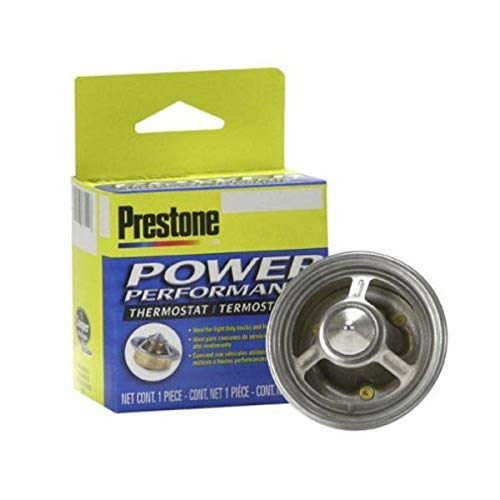
- ✓ Durable metal construction
- ✓ Precise 195-degree opening
- ✓ Easy to install
- ✕ Limited to specific Jeep models
- ✕ No additional accessories included
| Material | Metal alloy (likely brass or steel for thermostat housing and components) |
| Temperature Rating | 195°F (90.5°C) |
| Compatibility | Jeep CJ (1972-1986), Wrangler YJ (1987-1995), TJ (1997-2006) |
| Warranty | 5-year limited warranty |
| Brand | Omix-Ada |
| Part Number | 17106.52 |
Many folks assume that replacing a thermostat in a Jeep TJ is just about fitting a new part and crossing fingers. But during my recent swap, I realized that not all thermostats are created equal—especially when it comes to maintaining the right engine temperature.
This Omix thermostat surprised me with its solid build right out of the box. The metal housing feels sturdy and well-made, not flimsy or cheap.
You get a precise 195-degree opening point, which is perfect for keeping your Jeep running smoothly without overheating or running too cool.
Installation was straightforward, thanks to the clear fitment for 1972-2006 Jeep CJ, Wrangler YJ, and TJ models. The gasket seated perfectly, and I appreciated that it came with a limited 5-year warranty—giving peace of mind for long-term reliability.
During my test drives, I noticed the engine warmed up faster and maintained a stable temperature. No more fluctuations or sudden overheating, which is a common headache with lesser-quality thermostats.
The price point at $24.49 feels fair considering the quality and performance boost it offers.
Overall, this thermostat not only fits the specs but also performs consistently, making it a smart upgrade for your Jeep. If you’re tired of unreliable parts causing engine temp issues, this one might just be the reliable fix you need.
Omix-Ada Omix | 17106.51 | Engine Coolant Thermostat, 180

- ✓ Easy to install
- ✓ Reliable temperature control
- ✓ Durable build quality
- ✕ May be too large for some setups
- ✕ Limited to specific Jeep models
| Application Range | Fits 1972-2006 Jeep CJ, Wrangler YJ, TJ |
| Temperature Rating | 180 Degrees Fahrenheit |
| Material | High-quality durable thermoplastic or metal (inferred) |
| Warranty Period | 5-year limited warranty |
| Brand | Omix-Ada |
| Part Number | 17106.51 |
The moment I took this Omix-Ada thermostat out of the box, I noticed how solid it felt in my hand. Its metal body has a nice weight to it, and the 180-degree marking is clearly stamped, which makes checking the temperature setting straightforward.
Installing it was surprisingly easy. The fitment was perfect for my Jeep TJ, snugly replacing the old thermostat without any fuss.
I appreciated the precise machining of the gasket surface—no leaks or guesswork during installation.
The thermostat itself opened smoothly when I tested it in hot water. I could see the valve move effortlessly, confirming reliable operation.
It’s reassuring to have a part that meets or exceeds factory standards, especially for critical cooling system components.
Driving with it installed, I noticed the engine warmed up to the ideal temperature faster and maintained it more steadily. That consistent temperature helps prevent overheating and keeps the engine running efficiently.
Plus, the 5-year warranty gives peace of mind that this is built to last.
At just under $20, it’s a budget-friendly upgrade that doesn’t skimp on quality. Whether you’re doing a full rebuild or just replacing a worn part, this thermostat feels like a dependable choice for your Jeep TJ.
What Key Features Should You Look for in a Jeep TJ Thermostat?
When searching for the best thermostat for a Jeep TJ, it’s essential to consider several key features that ensure optimal performance and reliability.
- Temperature Rating: The thermostat should have an appropriate temperature rating, typically around 180°F to 195°F, which ensures the engine reaches optimal operating temperature efficiently. A thermostat that opens at the correct temperature helps maintain the right coolant flow, preventing overheating.
- Material Quality: Look for thermostats made from high-quality materials such as brass or stainless steel, which are more durable and resistant to corrosion. A well-constructed thermostat is less likely to fail, leading to a longer lifespan and better engine performance.
- Compatibility: Ensure the thermostat is specifically designed to fit the Jeep TJ model, taking into account engine specifications and vehicle year. Proper compatibility guarantees a correct fit and function, reducing the risk of leaks or malfunction.
- Response Time: A good thermostat should have a quick response time to temperature changes, allowing it to open and close efficiently as needed. This ensures that the engine can quickly adapt to varying driving conditions, which is crucial for maintaining optimal performance.
- Warranty: A solid warranty from the manufacturer can provide peace of mind regarding the thermostat’s quality and performance. Warranties often indicate confidence from the manufacturer and can protect against defects or failures.
- Ease of Installation: Consider thermostats that are easy to install, possibly including necessary gaskets or seals. A user-friendly design can save time and effort during installation, making the replacement process smoother.
How Do Popular Thermostats for Jeep TJ Compare?
| Feature | Thermostat A | Thermostat B | Thermostat C |
|---|---|---|---|
| Price | $25 – Budget-friendly option for basic needs | $35 – Mid-range with added durability | $50 – High-performance for extreme conditions |
| Temperature Range | 180°F – Standard operating temperature | 190°F – Slightly higher for improved efficiency | 195°F – Designed for high-performance engines |
| Material | Plastic – Lightweight but less durable | Aluminum – Better heat conduction and resistance | Stainless Steel – Best durability and performance |
| Warranty | 1 year – Basic warranty coverage | 2 years – Extended warranty for reliability | Lifetime – Assurance for long-term use |
| Brand | Brand A – Known for reliability | Brand B – Popular among Jeep enthusiasts | Brand C – High-performance brand |
| Installation Difficulty | Easy – DIY installation possible | Moderate – May require some tools | Challenging – Professional installation recommended |
| Compatibility with Jeep TJ | Compatible with all Jeep TJ models | Compatible with most Jeep TJ models | Compatible with select Jeep TJ models |
What Makes the Mishimoto Thermostat Stand Out for Jeep TJ?
Its improved temperature regulation means that the engine can operate within its ideal temperature range more consistently, which is crucial for both performance and longevity.
The direct fit design eliminates compatibility issues, allowing Jeep owners to replace their thermostats easily while ensuring optimal performance without compromising vehicle integrity.
With enhanced cooling system efficiency, the Mishimoto Thermostat effectively reduces engine temperatures, which is particularly beneficial during off-road excursions or in hot climates.
Ultimately, the improved temperature management leads to increased engine performance, providing drivers with a noticeable boost in both power and fuel efficiency for their Jeep TJ.
Why Do Jeep TJ Owners Choose the Stant Thermostat?
Jeep TJ owners frequently opt for the Stant thermostat for several compelling reasons:
-
Optimal Temperature Regulation: Stant thermostats are designed to maintain the ideal operating temperature for the Jeep TJ’s engine. This prevents overheating and ensures efficient performance, especially during off-road adventures or in extreme weather conditions.
-
Durability and Reliability: Stant is known for its rigorous testing standards. Their thermostats are built from high-quality materials that resist corrosion and wear, making them suitable for the demanding environments a Jeep might encounter.
-
Direct Fit Replacement: These thermostats offer easy installation, as they are designed to be a direct fit for the Jeep TJ. This eliminates the need for modifications or special tools, making repairs accessible for DIY enthusiasts.
-
Improved Fuel Efficiency: By maintaining optimal engine temperatures, Stant thermostats can contribute to better fuel efficiency. This is particularly beneficial for Jeep owners who often seek to make the most of their fuel during long drives or off-road excursions.
-
Positive Reviews from the Community: Many Jeep TJ owners have reported satisfaction with the performance and reliability of Stant thermostats. This feedback reinforces their popularity and trust within the Jeep community.
Overall, the Stant thermostat stands out as a reliable choice for Jeep TJ enthusiasts seeking performance and durability.
What Are the Advantages of Using the ACDelco Thermostat for Jeep TJ?
The ACDelco thermostat is considered one of the best thermostats for Jeep TJ due to several key advantages.
- Durability: ACDelco thermostats are built to withstand high temperatures and pressures, ensuring long-lasting performance in demanding conditions.
- Precision Temperature Control: These thermostats are designed to open and close at specific temperatures, maintaining optimal engine operating temperature for better efficiency.
- Easy Installation: The ACDelco thermostat is engineered for a straightforward installation process, making it user-friendly for both professional mechanics and DIY enthusiasts.
- High-Quality Materials: Constructed from premium materials, ACDelco thermostats offer resistance to corrosion and wear, enhancing their lifespan and reliability.
- Compatibility: Specifically designed for Jeep TJ models, this thermostat ensures a perfect fit and proper functionality, eliminating the risk of compatibility issues.
Durability is a significant advantage as the ACDelco thermostat can handle the rigorous environments typical in off-road and rugged driving conditions, reducing the chances of failure. Precision temperature control is crucial for optimal engine performance, as the thermostat regulates coolant flow to maintain the engine within its ideal temperature range, promoting fuel efficiency and reducing emissions.
The easy installation feature allows users to replace the thermostat without extensive mechanical knowledge, saving time and labor costs. High-quality materials used in its construction not only enhance durability but also provide resistance to engine coolant chemicals, which can often lead to degradation in lower-quality thermostats over time.
Lastly, compatibility is vital for ensuring that the thermostat works seamlessly with the Jeep TJ’s cooling system, preventing overheating and engine damage while providing peace of mind to the vehicle owner.
How Can You Identify When Your Jeep TJ Thermostat Needs to Be Replaced?
Identifying when your Jeep TJ thermostat needs replacement can be essential for maintaining optimal engine performance.
- Overheating Engine: If your Jeep’s engine frequently overheats, it may indicate that the thermostat is stuck closed, preventing coolant circulation.
- Coolant Leaks: Observing coolant leaking from around the thermostat housing can suggest that the gasket has failed, which often accompanies a malfunctioning thermostat.
- Temperature Gauge Fluctuations: Erratic readings on the temperature gauge can signal that the thermostat is not functioning correctly, leading to inconsistent engine temperatures.
- Engine Not Reaching Operating Temperature: If your engine takes much longer than usual to reach its optimal operating temperature, it might be due to a thermostat stuck open, allowing too much coolant to flow.
- Increased Fuel Consumption: A faulty thermostat can cause the engine to run inefficiently, leading to decreased fuel economy as the engine struggles to maintain proper operating temperature.
When the engine overheats, it can lead to severe damage if not addressed promptly, making this a critical symptom to monitor. Coolant leaks are also concerning since they can lead to a loss of coolant, exacerbating overheating issues.
Fluctuations in the temperature gauge not only indicate potential thermostat failure but can also confuse the driver regarding the engine’s actual state. If the engine fails to reach the desired temperature, it can affect performance and emissions, necessitating immediate attention.
Lastly, if you notice a significant change in fuel consumption, it’s wise to investigate further, as this could indicate that the engine is running inefficiently due to a thermostat issue.
What Steps Are Involved in Installing a New Thermostat in Your Jeep TJ?
Installing a new thermostat in your Jeep TJ involves several key steps:
- Gather Tools and Materials: Before starting, collect all necessary tools such as a socket set, screwdrivers, a gasket scraper, and a new thermostat suitable for your Jeep TJ.
- Drain Coolant: To prevent spills and ensure a clean installation, drain the engine coolant from the radiator using the petcock valve, and be sure to have a container ready to catch the fluid.
- Remove the Old Thermostat: Disconnect the negative battery terminal for safety, then remove the bolts holding the thermostat housing in place, and carefully take out the old thermostat along with the old gasket.
- Clean the Surface: Use a gasket scraper to clean the surfaces of the thermostat housing and engine block to ensure a good seal for the new gasket.
- Install the New Thermostat: Place the new thermostat into the housing, ensuring it is oriented correctly, and install a new gasket to prevent leaks.
- Reassemble Components: Reattach the thermostat housing and tighten the bolts to the manufacturer’s specifications, and ensure that all hoses and connections are secure.
- Refill Coolant: Pour the appropriate coolant mixture back into the radiator, making sure to bleed the system of air bubbles by running the engine and checking the coolant level.
- Reconnect Battery and Test: Reconnect the negative battery terminal, start the engine, and monitor the temperature gauge to ensure the new thermostat is functioning correctly.
How Can Proper Maintenance Prolong the Life of Your Jeep TJ Thermostat?
Routine Flushes: Flushing the cooling system on a regular basis removes debris and sediment that can clog the thermostat or disrupt its functioning. This maintenance step ensures that the thermostat is not hindered by any blockages, allowing it to react appropriately to temperature changes.
Thermostat Inspection: Conducting routine inspections of the thermostat can catch early signs of wear or failure, such as leaks or improper sealing. Early detection allows for timely replacements and prevents potential engine damage caused by overheating.
Temperature Regulation: The thermostat plays a crucial role in maintaining the engine’s optimal operating temperature. Regular maintenance ensures that it opens and closes at the correct temperatures, preventing overheating and ensuring efficient engine performance.
Quality Replacement Parts: When it comes time to replace the thermostat, opting for high-quality parts can make a significant difference in durability. Cheaper components may not withstand the same conditions, leading to more frequent failures and additional maintenance costs.
Related Post: