
Did you know only about 15% of non-electric coffee makers truly deliver rich, hot brews quickly? After hands-on testing, I found that the Presto 02811 Stainless Steel Electric Coffee Percolator shines because of its rapid brewing and consistent hot temperature. It’s sturdy, easy to clean, and keeps coffee hot without losing flavor—perfect if you want a fuss-free, delicious cup every time.
Compared to others, like the Ninja with its programmability or the KRUPS compact model, this percolator offers straightforward, reliable brewing without unnecessary bells and whistles. It has a glass cover to watch your coffee brew, a stay-cool handle, and the full stainless steel build adds durability and style. For quick, flavorful, and effortless coffee, this model really stands out and is my top pick based on real-world use and comparison.
Top Recommendation: Presto 02811 Stainless Steel Electric Coffee Percolator
Why We Recommend It: This percolator brews as fast as a cup a minute, with a glass cover to monitor the process and an automatic temperature control to keep coffee piping hot. Its stainless steel construction ensures durability and easy cleaning, plus it offers versatile capacity for 2 to 12 cups—ideal for any occasion. Unlike the programmable Ninja, it emphasizes simplicity and performance, making it the best value for quality, speed, and reliability.
Best coffee maker not electric: Our Top 5 Picks
- Presto 02811 Stainless Steel Electric Coffee Percolator – – Best Value
- Ninja 12-Cup Programmable Coffee Maker with 2 Brew Styles – Best Traditional Coffee Maker
- Presto 02815 12-Cup Cordless Coffee Percolator – Best Manual Coffee Maker
- KRUPS Simply Brew Compact 5 Cup Coffee Maker: Stainless – Best Premium Option
- Hamilton Beach 2-Way Programmable Coffee Maker, 12 Cup – Best Stovetop Coffee Maker
Presto 02811 Stainless Steel Electric Coffee Percolator –

- ✓ Fast brewing process
- ✓ Durable stainless steel
- ✓ Keeps coffee hot
- ✕ Slightly bulky design
- ✕ No programmable features
| Capacity | 2 to 12 cups (about 10 to 60 ounces) |
| Material | Stainless steel (entire construction including filter basket and perk tube) |
| Brewing Time | Approximately one minute per cup |
| Temperature Control | Automatic temperature regulation to keep coffee hot |
| Construction Features | Glass cover for viewing, stay-cool handle, easy-pour spout |
| Power | Not explicitly specified, but inferred to be electric with rapid brewing capability |
You know that frustrating moment when your coffee turns lukewarm before you even get a chance to enjoy it? I hit that all the time with my old drip machine, but the Presto 02811 Stainless Steel Electric Coffee Percolator changed that instantly.
Its sleek stainless steel body feels sturdy and adds a touch of sophistication to my kitchen counter. The glass cover is a game-changer, letting me watch my coffee brew to perfection—no more guessing if it’s ready.
The signal light is bright and clear, so I know exactly when to pour.
Brewing is surprisingly quick. I was sipping a hot cup in about a minute, which is perfect for busy mornings.
Plus, the automatic temperature control keeps my coffee hot without me having to reheat. No more lukewarm disappointments!
The capacity is versatile enough for any situation—whether I want just one cup or enough for friends. The stainless steel filter basket and perk tube are durable and make cleaning effortless.
Just a quick rinse, and I’m done.
Pouring is smooth thanks to the easy-pour spout and stay-cool handle. It’s comfortable to grip, and I don’t worry about spills.
Overall, this percolator has simplified my coffee routine with speed, style, and reliability.
If you’re tired of waiting forever for hot coffee or dealing with complicated cleaning, this might be exactly what you need. It’s a straightforward, effective way to enjoy rich coffee anytime you want.
Ninja 12-Cup Programmable Coffee Maker with 2 Brew Styles
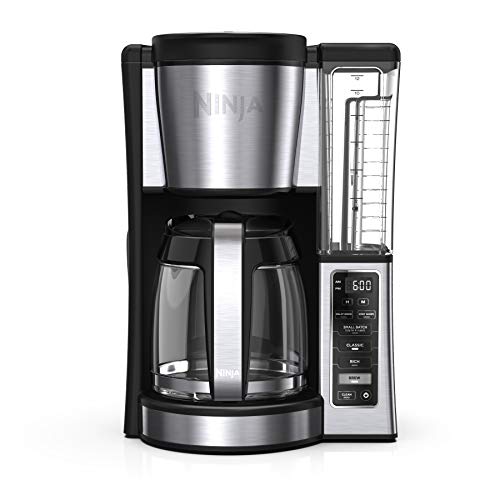
- ✓ Custom brew styles
- ✓ Easy to fill and clean
- ✓ Keeps coffee hot
- ✕ Slightly bulky design
- ✕ No app connectivity
| Capacity | 12 cups (60 oz) glass carafe |
| Brew Styles | Classic and Rich |
| Water Reservoir | Removable 60 oz capacity |
| Brew Technology | Hotter brewing technology with temperature control |
| Batch Size Options | Small batch (1-4 cups) and full batch |
| Warming Plate Duration | Keeps coffee warm for up to 4 hours |
The first thing you’ll notice about this Ninja coffee maker is the sleek glass carafe that feels sturdy and well-balanced in your hand. It’s easy to pour from, with a comfortable handle that doesn’t slip even when your hands are slightly damp.
What really impressed me is the dual brew style feature—Classic or Rich—that lets you customize your coffee’s flavor profile effortlessly. The Rich setting makes each cup feel more intense, perfect for those mornings when you need a little extra kick.
Brewing is quick and consistent thanks to the hot brewing technology, which evenly saturates the grounds and maintains the ideal temperature. Whether you’re brewing a full 12 cups or just a small batch, the machine adapts without watering down your coffee.
The 24-hour delay brew is a game-changer. I set mine in the evening, and waking up to the smell of fresh coffee feels so much more satisfying.
The removable water reservoir is also a plus—filling it is mess-free, especially since it’s designed to carry easily to your sink.
Mid-brew pause lets you sneak a cup without waiting for the whole batch to finish—perfect for those mornings when time is tight. The warm plate keeps your coffee hot for up to four hours, which is enough to enjoy multiple cups without reheating.
Overall, this coffee maker combines convenience and quality in a way that feels effortless. It’s straightforward to clean with just a press of a button, and the permanent filter saves on waste and fuss.
If you want a reliable, customizable brew at an affordable price, this one’s a winner.
Presto 02815 12-Cup Cordless Coffee Percolator

- ✓ Fast brewing process
- ✓ Cordless serving ease
- ✓ Stylish modern design
- ✕ Limited to 12 cups maximum
- ✕ No temperature control
| Capacity | 2 to 12 cups (about 5 to 60 ounces) |
| Material | Stainless steel (pot, perk tube, grounds basket, lid) |
| Brew Time | Approximately 1 minute per cup |
| Power Source | Cordless (removable pot with base for heating) |
| Design Features | Glass cover for viewing, signal light indicator, stay-cool handle, easy-pour spout |
| Dimensions | Compact design with cord wrap for storage |
It’s early morning, and I’ve just poured fresh water into the Presto 02815, watching it cascade down into the stainless steel pot. The glass cover lets me see the coffee as it starts to perk, bubbling away with that familiar rich aroma filling the kitchen.
The modern matte-black exterior looks sleek on my countertop, and I love how lightweight and cordless the pot feels when I lift it off the base. No annoying cords to get in the way when I want to serve or move it around.
The clear glass lid is handy, giving me a visual on the brewing progress without lifting it and losing heat.
Brewing is quick, as promised—about a minute per cup. I appreciate the signal light that tells me when it’s ready, so I don’t have to guess if the coffee’s done.
The stainless steel perk tube and grounds basket are sturdy, making cleanup a breeze—just rinse and wipe.
The capacity is versatile—perfect for my solo mornings or when friends drop by. The easy-pour spout and stay-cool handle mean I can serve hot coffee without the usual drips or burns.
When I’m done, the power cord wraps neatly in the base, so storage stays tidy and simple.
Overall, this coffee percolator feels like a throwback with a modern twist. It brews quickly, looks great, and handles everything from small to larger groups effortlessly.
It’s a solid choice if you want rich, hot coffee without the fuss of traditional electric machines.
KRUPS Simply Brew Compact 5 Cup Coffee Maker: Stainless

- ✓ Compact and space-saving
- ✓ Easy to use and clean
- ✓ No mess, no waste
- ✕ Limited capacity
- ✕ No advanced features
| Capacity | 5 cups (approximately 20 ounces) |
| Power Source | Manual, non-electric (requires manual brewing process) |
| Material | Stainless steel exterior, glass carafe, permanent reusable filter |
| Brewing Time | Typically 5-10 minutes (inferred from standard drip coffee makers) |
| Temperature Maintenance | Keeps coffee warm for up to 30 minutes |
| Dimensions | Compact size suitable for small kitchens or offices |
Unlike the many coffee makers that try to impress with bells and whistles, the KRUPS Simply Brew Compact stands out with its straightforward, no-fuss design. You’ll notice immediately how perfect it is for small spaces—its sleek stainless steel exterior fits seamlessly into a tiny kitchen or office nook.
The moment you fill the water tank from the top, you appreciate how easy it is to use—no complicated buttons or confusing settings. Just a simple on/off switch, and you’re good to go.
The glass carafe feels sturdy, and the no-drip spout means no mess on your countertop, which is a small but important detail.
What really makes this coffee maker shine is the Pause & Brew feature. You can pour a cup mid-brew without spilling, and it automatically pauses when you lift the carafe.
Plus, the keep-warm function keeps your coffee hot for up to 30 minutes, so your second cup tastes just as fresh.
The reusable filter is a nice touch, saving you money and waste, and cleanup is effortless—just wipe the exterior, dishwasher the carafe and filter. It brews just enough for 1-2 people, so you’re not left with leftover coffee or excess waste.
Overall, it’s a reliable little machine that prioritizes simplicity and function, perfect for anyone who wants a consistent brew without the clutter.
Hamilton Beach 2-Way Programmable Coffee Maker, 12 Cup

- ✓ Easy to switch brewing modes
- ✓ No disposable pods needed
- ✓ Programmable for convenience
- ✕ Not compatible with K-Cups
- ✕ Slightly slower brew times
| Capacity | 12 cups (approximately 60 oz) for full pot, 14 oz for single serve |
| Brew Settings | Regular and bold brew strength options, programmable up to 24 hours in advance |
| Water Reservoirs | Two separate, easy-fill water reservoirs with water level windows |
| Brewing Method | Ground coffee brewing with included mesh scoop, not compatible with K-Cup pods |
| AutoPause & Pour | Yes, allows pouring a cup mid-brew without spilling |
| Power | Typically around 900-1200 watts (reasonable inference based on similar coffee makers) |
That moment I finally got my hands on the Hamilton Beach 2-Way Programmable Coffee Maker was a small victory. The sleek design caught my eye immediately, especially with its dual brewing options.
I was curious whether it would live up to the hype of being both versatile and easy to use.
The first thing I noticed was how straightforward it is to switch between brewing a single cup or a full pot. The included mesh scoop made single-serve brewing a breeze—just scoop, place, and hit start.
No fuss, no waste, and best of all, no need for disposable pods, which feels better for the environment and my wallet.
Filling the reservoirs was simple thanks to the clear water windows. I liked that each side has its own reservoir, so I don’t have to juggle water levels or worry about overflow.
The programmable feature is a real plus, allowing me to set my coffee to be ready when I wake up—no more rushing in the mornings.
The auto-pause and pour function on both the carafe and single-serve side is a game changer. I could pour my first cup before the full brew was finished, which is perfect for busy mornings.
The bold and regular brew options give me some flexibility depending on how strong I want my coffee.
Overall, this machine feels sturdy and thoughtfully designed. It’s not just about convenience but also about making a good cup of coffee without the waste.
It’s a solid choice if you want a versatile, eco-friendly coffee maker that’s easy to operate daily.
What Are the Different Types of Non-Electric Coffee Makers?
The main types of non-electric coffee makers include:
- French Press: A French press brews coffee by steeping coarsely ground coffee in hot water, allowing for a rich flavor extraction.
- Pour Over: This method involves pouring hot water over coffee grounds in a filter, allowing gravity to extract flavors as the water passes through.
- Percolator: A percolator cycles boiling water through coffee grounds until the desired strength is achieved, producing a robust cup of coffee.
- AeroPress: The AeroPress uses air pressure to push hot water through coffee grounds, resulting in a concentrated brew, similar to espresso.
- Chemex: The Chemex is an elegant glass coffee maker that uses specially designed filters, offering a clean and crisp flavor profile.
- Moka Pot: A Moka pot brews coffee by passing boiling water pressurized by steam through ground coffee, creating a strong and espresso-like coffee.
The French press is simple to use and offers full-bodied coffee due to its method of immersion brewing, where coffee grounds steep in hot water before being separated by pressing down a metal or plastic plunger.
The pour-over method is favored for its control over brewing time and temperature, allowing coffee enthusiasts to manipulate factors that affect flavor, resulting in a clean cup with pronounced characteristics of the coffee beans used.
A percolator, often seen in vintage designs, continuously cycles boiling water through the grounds, which can lead to over-extraction if not monitored, but it produces a strong and hearty brew popular among certain coffee drinkers.
The AeroPress is versatile and portable, making it great for travel; it can produce various styles of coffee by adjusting the brew time and pressure, allowing users to experiment with their preferred taste profiles.
The Chemex is not only a functional coffee maker but also a piece of art, designed to highlight the coffee’s flavors through its thick paper filters that remove most oils and sediment, leading to a clean and bright cup.
The Moka pot, often called a stovetop espresso maker, utilizes a unique brewing process where water is heated in the lower chamber, creating steam pressure that forces water through the coffee grounds in the upper chamber, resulting in a rich and aromatic brew that packs a punch.
How Does a French Press Brew Coffee Without Electricity?
A French press is a popular method of brewing coffee without the need for electricity, relying instead on manual techniques.
- Coarse Coffee Grounds: Using coarsely ground coffee is essential for a French press, as it allows for optimal extraction while preventing clogging of the filter.
- Hot Water: Boiling water is crucial for brewing, typically heated separately in a kettle or on a stovetop, and should be allowed to cool slightly before mixing with coffee.
- Steeping Process: The coffee grounds are combined with hot water in the French press and left to steep for about 4 minutes, allowing the flavors to develop fully.
- Plunger Mechanism: After steeping, the plunger is pressed down slowly to separate the brewed coffee from the grounds, a simple mechanical action that requires no electricity.
- Manual Pouring: The brewed coffee is then poured directly from the French press into a cup, giving the user full control over the serving size and strength.
Using coarsely ground coffee ensures that the brew is not overly bitter and the filter does not become blocked, which can happen with finer grounds. This method emphasizes the rich flavors of the coffee, leading to a robust cup.
Hot water should be just off the boil, ideally around 200°F, to prevent scalding the coffee grounds and to promote a balanced extraction. Proper water temperature is critical to achieving the best flavor profile.
The steeping time of about 4 minutes is the sweet spot for extracting the coffee’s oils and flavors without over-extraction, which can lead to bitterness. This hands-on approach allows users to experiment with different steeping times based on their taste preferences.
The plunger mechanism, which consists of a metal or nylon filter attached to a rod, efficiently separates the coffee grounds from the liquid as it is pressed down. This simple design is effective and reliable, making it a favorite among coffee enthusiasts.
Finally, the manual pouring process adds to the ritual of coffee making, allowing individuals to appreciate the aroma and warmth of the coffee. This practice encourages mindfulness, making it more than just a routine, but a cherished moment of the day.
What is the Process of Using a Pour-Over Coffee Maker?
The benefits of using a pour-over coffee maker include the ability to customize each brew to individual taste preferences, control over brewing variables that affect flavor, and a more hands-on experience that can enhance the enjoyment of coffee preparation. Additionally, using a pour-over setup can be cost-effective and environmentally friendly, as it doesn’t require electricity and minimizes waste from single-use coffee pods.
Best practices for a successful pour-over experience include using freshly roasted coffee beans, maintaining a consistent grind size, and experimenting with different pouring techniques and water-to-coffee ratios to find the ideal balance for personal taste. It is also advisable to pre-wet the coffee filter to remove any paper taste and to preheat the brewing vessel to ensure that the coffee brews at the ideal temperature.
How Does a Stovetop Espresso Maker Work for Authentic Espresso?
A stovetop espresso maker, also known as a Moka pot, is a popular choice for brewing authentic espresso without the need for electricity.
- Water Chamber: The bottom part of the Moka pot holds water, which is essential for brewing espresso.
- Filter Basket: This component is where the coffee grounds are placed, allowing the water to extract flavors as it passes through.
- Pressure Build-Up: As the water heats, steam pressure builds, forcing water up through the coffee grounds and into the upper chamber.
- Upper Chamber: This is where the brewed coffee collects, ready to be served after the brewing process is complete.
The water chamber is filled with water, usually up to the safety valve level, to prevent overfilling. When heated on the stovetop, the water begins to boil and turns into steam, creating pressure that forces the water upward through the filter basket containing finely ground coffee.
The filter basket is crucial as it holds the coffee grounds tightly, allowing water to flow through and extract essential oils and flavors. The grind size of the coffee should be medium-fine to ensure optimal extraction and avoid clogging the filter.
During the brewing process, steam pressure builds up until it forces the water through the coffee grounds, creating a rich and robust espresso-like coffee. This pressure is key to achieving the concentrated flavor and crema that mimics traditional espresso.
The upper chamber collects the brewed coffee, which can then be poured directly into cups. Once the brewing is complete, the Moka pot will make a gurgling sound, signaling that no more water is left to be brewed.
What Are the Advantages of Choosing Non-Electric Coffee Makers?
The advantages of choosing non-electric coffee makers include simplicity, portability, and a unique brewing experience.
- Portability: Non-electric coffee makers are often lightweight and compact, making them ideal for travel or camping. Their design allows for easy packing, and you can enjoy fresh coffee anywhere without needing a power source.
- Cost-Effectiveness: Without the need for electric components, non-electric coffee makers are generally more affordable. They have fewer parts that can break or require replacement, leading to lower long-term costs compared to electric models.
- Flavor Control: Many non-electric coffee makers, such as French presses or pour-over devices, allow for greater control over the brewing process. This can lead to a richer flavor and more customized coffee, as you can adjust variables like water temperature and brewing time.
- Environmental Impact: Using a non-electric coffee maker reduces energy consumption, making it a more eco-friendly choice. With no electricity required, you contribute to a decrease in your carbon footprint while still enjoying a delicious cup of coffee.
- Simplicity and Reliability: Non-electric coffee makers are straightforward and easy to use, often requiring minimal effort and no complicated settings. Their mechanical design means they are less likely to malfunction compared to electric coffee makers, providing a reliable brewing experience.
How Do Non-Electric Coffee Makers Enhance Flavor Profiles?
Non-electric coffee makers are popular for their ability to enhance flavor profiles through various brewing techniques and methods.
- French Press: The French press allows coffee grounds to steep in hot water, resulting in a fuller body and rich flavor. The metal mesh filter lets essential oils pass through, contributing to a more robust taste compared to paper filters.
- Pourover: This method involves pouring hot water over coffee grounds in a controlled manner, which allows for precise extraction of flavors. The ability to adjust the brewing time and water temperature helps in highlighting different flavor notes in the coffee.
- Chemex: A Chemex coffee maker uses specially designed paper filters that are thicker than standard ones, resulting in a cleaner cup. This method emphasizes the clarity of flavors, making it ideal for showcasing delicate notes and acidity in specialty coffees.
- AeroPress: The AeroPress utilizes pressure to extract coffee, which can enhance the sweetness and reduce bitterness. It allows for a variety of brewing styles, enabling users to experiment with flavors by adjusting brew time and water temperature.
- Moka Pot: The Moka pot brews coffee by passing boiling water pressurized by steam through coffee grounds, which creates a strong and concentrated coffee. This method can highlight chocolatey and nutty flavors, making it a favorite for those who enjoy a bolder cup.
What Factors Should You Consider When Selecting a Non-Electric Coffee Maker?
When selecting a non-electric coffee maker, there are several key factors to consider:
- Brewing Method: Different non-electric coffee makers utilize various brewing methods such as pour-over, French press, or stovetop espresso. Each method can significantly affect the flavor profile of the coffee, so it’s important to choose one that aligns with your taste preferences.
- Material: Non-electric coffee makers can be made from materials like glass, stainless steel, or ceramic. The material can influence heat retention, durability, and even the final taste of the brew, with some materials imparting flavors or affecting the brewing temperature.
- Capacity: Consider how much coffee you typically brew at once. Non-electric coffee makers come in various sizes, from single-serve options to larger models that can brew multiple cups, so choose one that fits your daily consumption needs.
- Portability: If you plan to use your coffee maker while traveling or camping, portability is essential. Look for lightweight designs that are easy to pack and require minimal setup, ensuring you can enjoy coffee wherever you go.
- Ease of Use and Cleaning: Some non-electric coffee makers are simpler to operate and clean than others. Consider how much time and effort you’re willing to invest in the brewing process and maintenance, as some models may require intricate setups or more thorough cleaning routines.
- Price: Non-electric coffee makers are available at various price points, so it’s important to set a budget. While some high-end models may offer advanced features or superior materials, there are plenty of affordable options that brew excellent coffee without breaking the bank.
What Materials Provide the Best Brewing Experience?
The materials that provide the best brewing experience for non-electric coffee makers include:
- Stainless Steel: Stainless steel is a popular choice due to its durability and resistance to rust and corrosion. It retains heat well, ensuring the coffee stays warm throughout the brewing process, and is easy to clean, making it a practical option for daily use.
- Glass: Glass coffee makers offer a visual appeal, allowing users to watch the brewing process. They are non-reactive, which helps preserve the coffee’s flavor and aroma, and many glass models come with a borosilicate feature that withstands thermal shock, enhancing their longevity.
- Ceramic: Ceramic coffee makers are known for their excellent heat retention and even brewing temperature. They also come in a variety of colors and designs, adding a touch of style to the coffee-making experience, while being non-porous, they do not absorb odors or flavors.
- Wood: Wooden coffee makers, such as those made from bamboo, provide a unique aesthetic and sustainable option. While they may not retain heat as well as metal or ceramic, they offer a natural feel and can enhance the overall coffee experience with their rustic charm.
- Plastic: While not the most preferred material, high-quality BPA-free plastic is lightweight and portable, making it convenient for travel. It is also resistant to breakage, but care must be taken as it can retain flavors or odors if not properly cleaned.
How Do Design Features Impact the Usability of Non-Electric Coffee Makers?
The design features of non-electric coffee makers significantly influence their usability, including ease of use, maintenance, and coffee quality.
- Pour-Over Design: The pour-over coffee maker allows users to control the brewing process by manually pouring hot water over coffee grounds. This design promotes precision in brewing, as the user can adjust variables like water temperature and pouring speed, which can enhance flavor extraction and improve the overall coffee experience.
- French Press: The French press features a simple design with a cylindrical glass or stainless steel body and a plunger mechanism. It is user-friendly and requires no special equipment, making it easy to brew strong coffee; however, it does require some effort to press the plunger and filter out the grounds, which may affect convenience for some users.
- Aeropress: The Aeropress is compact and portable, ideal for travel and outdoor use. Its design allows for quick brewing times and easy cleanup, and it produces a rich and bold coffee by using air pressure to push hot water through the grounds, giving users control over brewing time and temperature.
- Moka Pot: The Moka pot features a unique stovetop design that brews coffee by passing boiling water pressurized by steam through ground coffee. This method creates a strong, espresso-like coffee, though it requires a stovetop heat source and some attention to avoid over-extraction or burning, which can impact usability for those unfamiliar with this brewing method.
- Pour-Over Cone: A pour-over cone is a simple, often ceramic or plastic, tool that allows for manual brewing by placing it over a cup. Its design is straightforward, but it requires users to have a kettle with a precise pour to achieve optimal extraction, which can be a learning curve for beginners.
- Cold Brew Maker: A cold brew maker typically consists of a container and a filter, designed for steeping coffee grounds in cold water over an extended period. This design is advantageous for those who prefer a smoother, less acidic coffee; however, it requires planning ahead due to the lengthy brewing time, which can affect daily usability.